

Why Safety training often fails without the knowledge of "WHY"
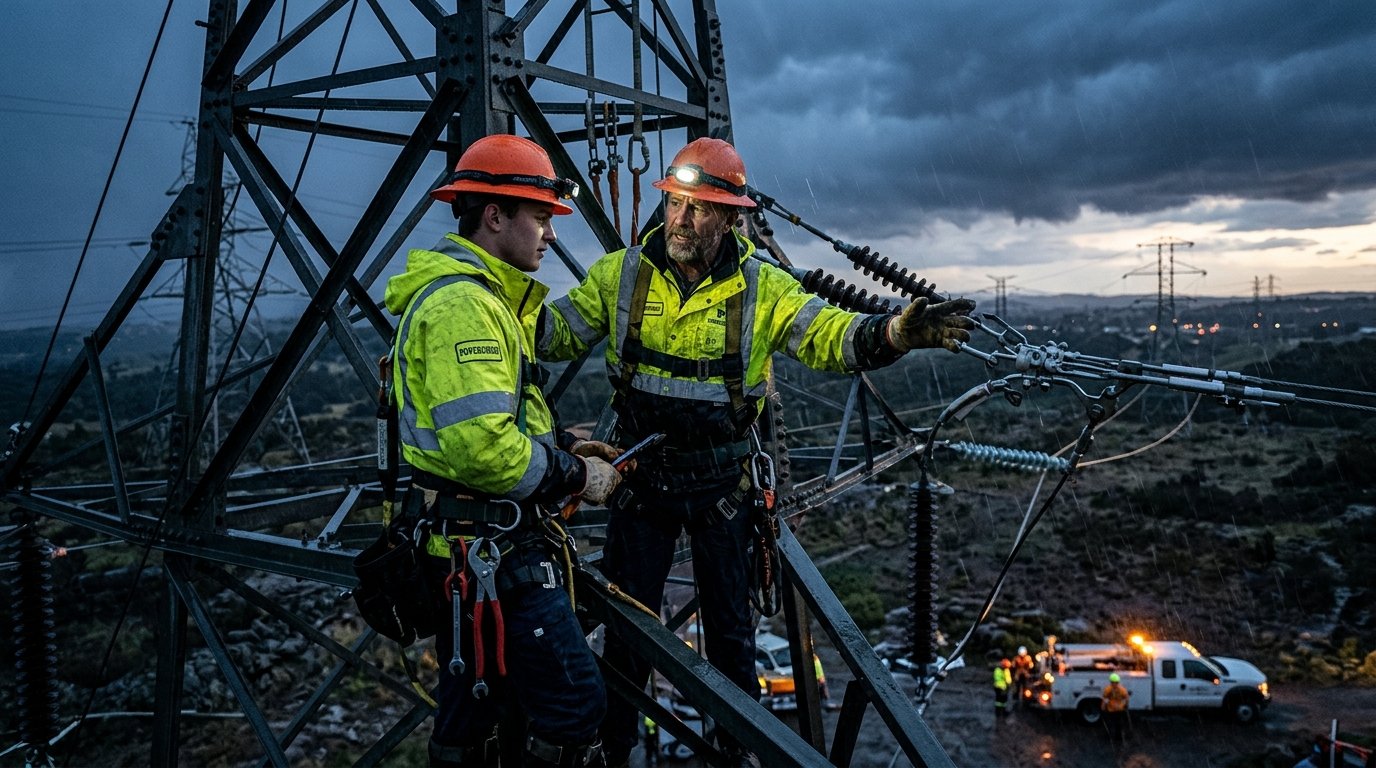
The psychology behind human mistakes and workplace safety.
Introduction
The root cause safety program crashes.
Many organizations assume safety problems arise because workers forget procedures, overlook rules, or make sloppy errors.
So, the typical solution is simple: Add more rules, extra paperwork, more oversight and more follow ups.
But regardless of all that, incidents still occur.
Employees will take shortcuts, communication still fails, errors still slip through.
Skilled workers still make ill-advised choices.
Teams still defy safety systems that were developed to protect them. So, what’s really causing problem?
The answer is more complex than procedures.
Most workplace safety programs prioritize teaching workers WHAT TO DO and HOW TO DO IT. But they provide little to no explanation for why the rule is significant in the first place.
That oversight creates a vulnerable gap between obedience and real safety insight.
During normal conditions, an employee can work while memorizing each step accordingly, but in situations like high-pressure environments, weather change, misbehavior of equipment or the occurrence of unexpected errors, habitual actions are not always sufficient.
That’s the point where understanding becomes crucial.
In high-risk industrial units like Construction, utilities, energy generation, transportation, manufacturing and field operations, safety doesn’t depend on written instructions, it depends on subjective opinion.
People need more than just written rules, they need perspective, intension and insight.
When the workers understand the WHY behind the safety procedures and instructions, they’re mentally more alert because they know that their life is at risk, they adopt the rules more efficiently and they become more responsible for their actions because they know the consequences of their actions.
They stop seeing safety rules as written instructions and start seeing these as precautions.
That shift of mindset changes everything.
The difference between compliance and awareness.
Most traditional safety training is built based on compliance. Workers are taught:
· To wear safety gear.
· Follow the checklist.
· Stick to procedures.
· Complete assessment.
All these elements are vital. There's no problem with the rule itself. The problem is when rules are taught or followed blindly.
Safety actions become mechanical when employees only hear a set of instructions without realizing the motive behind them.
Employees follow steps robotically because they’re trained to follow their higher ups without question, not because they understand the danger.
This behavior builds a brittle safety culture.
A worker can perform the procedure as taught during training but face hurdles during situations that deviate from the training.
The moment something different happens in the field, they’ll lean on assumptions, guestimates or ingrained behavior.
This is where human error takes place.
Real safety requires more than memorizing the rules, it requires a complete and deep understanding of it.
Workplace safety requires two types of knowledge.
Technical knowledge, knowing HOW
Technical knowledge is based on steps. It guides people how to complete a task accurately step-by-step.
Basic examples:
· How to lock out equipment.
· How to inspect tools.
· How to use safety gear.
· How to complete a job briefing.
· How to operate equipment.
For complex tasks workers need this type of learning process. But the provided knowledge has a limit.
A worker can fail to detect danger when the situation changes, even if they know the procedure step by step.
Theoretical knowledge: Knowing WHY.
Theoretical knowledge in understanding the purpose behind actions. It Clarifies:
· Why isolation of energy is important.
· Why there's a certain order in inspections.
· Where there are hidden risks.
· Why a serious injury can be caused by a minor mistake.
With this deeper knowledge workers can work under higher pressure. They adapt to changing situations easily instead of simply following steps.
This is the major difference between practical wisdom and a rigid routine.
Why are there dangerous blind spots created by memorization.
Most organizations unintentionally create an illusion of safety.
Workers read the memos, attend training sessions, complete practice procedures and memorize each step.
Management believes the learning process has been completed because the workers can repeat the steps accordingly.
What they don't understand is memorization doesn't equal understanding.
Someone can pass the test and struggle in the field when the situation isn't controlled.
This is because of rote learning. It trains the worker to repeat the steps not to tackle the situation.
For example, an employee operates a specific type of equipment but if the system changes or if the equipment misbehaves, they can't fix it because they only learned the process not the principle behind it.
This is why workers make mistakes even after spending months in training.
Not because the worker is careless, but because the training procedures don’t teach the purpose behind the procedures.
Human Brain endorses shortcuts
Human brains are designed to save energy.
Our brain processes massive amounts of information every second. To prevent overload, it automatically creates shortcuts (files) that make tasks easier.
In most cases, this helps because the body cannot keep pace with the brain, so workers cannot focus on every detail while performing routine tasks throughout the day.
Patterns help teams:
· Speed up work.
· Lighten mental pressure.
· Handle basic tasks accurately.
· Perform routine action automatically.
But there's also a drawback.
During routine tasks, workers can’t always stay fully aware because the brain fills in gaps with familiar patterns and experience.
When workers repeat the same actions, they’ll stop actively assessing risk because the mind treats the situation as familiar and safe.
Better decision-making can be activated by understanding.
When people know the purpose behind their actions, they engage the thinking part of the brain instead of the automatic one.
This helps workers to clarify their doubts, so they ask questions like:
· What’s different today?
· What’s different in this situation?
· Where's the hazard I'm overlooking?
· Will this shortcut increase the danger?
· Can this procedure be performed in this environment?
These questions switch their mind from autopilot to thinking and processing mode.
Most organizations don't realize that human judgment matters the most.
Safety isn't just a trained skill.
Most organizations prioritize equipment, procedures, and policies and ignore human psychology.
But safety is intensely connected to the human element. People make small judgments in their daily routine.
· Whether to speak up or stay quiet.
· Whether to rush or proceed slowly.
· Whether to ask questions or not.
· Whether to follow the given procedure or do it a different way.
· Whether to report a concern or wait until it becomes an issue.
· Whether to challenge an unsafe behavior or just go with the flow.
These decisions are immensely influenced by stress, anxiety, pressure, and mental illusions.
That means workplace safety is more than physical safety, it is psychological safety.
How organizations can build a WHY-BASED safety culture.
1:
Every major step should be explained openly and clearly.
That must include information about hazards, the importance of the procedure, vulnerabilities of the task, and options to reduce risk.
2:
Use real-world examples:
Real stories create connection, so workers feel the situation is relevant to them.
3:
Encourage questions without embarrassment:
Workers must feel comfortable asking questions like,
Why is this done with this procedure?
Which type of risk is present?
What changes when the situation shifts?
4:
Train team leaders to communicate effectively:
Supervisors greatly influence their team, so they must be trained to:
· Communicate clearly.
· Listen to understand.
· Spread awareness without bias.
· Manage conflicts effectively.
· Ability to make decisions under high pressure.
Conclusion:
Real safety happens with understanding.
Workplace safety involves more than procedures, equipment, and checklists. It also depends on:
· Critical thinking.
· Behavioral habits.
· Risk judgment.
· Communication.
· Motivation.
When workers only know the steps, they may follow them for a time.
But when they understand WHY it matters, they actively participate in safety protocols.
The most powerful safety programs aren't built on fear or blind obedience. They’re built on understanding.
And in high-risk industries understanding can save lives.
