

How Purpose-Driven Thinking Transforms Safety Leadership and Performance
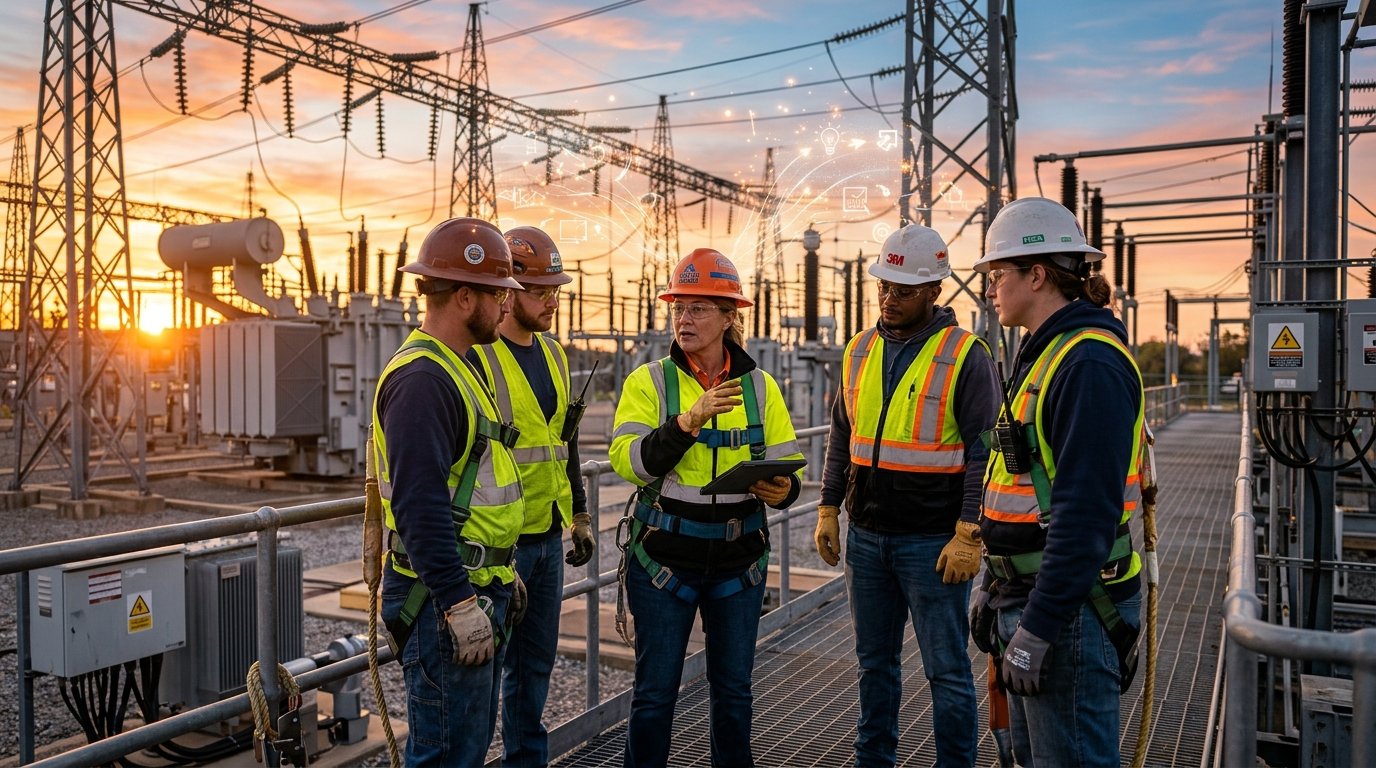
The Missing Piece in Safety and Performance
In most workplaces, people are told what to do.
Sometimes, they are shown how to do it.
But rarely are they told why it truly matters and that is where the real problem begins.
This is especially true in high-risk industries like linework, where instructions and procedures dominate daily operations. On the surface, this approach seems effective. Everything is structured, controlled, and predictable. There are clear rules, and no one has to question them.
But beneath that structure, something critical is missing.
And that missing piece directly impacts performance, decision-making, and ultimately, human safety.
Understanding why is not just an added benefit it is the foundation of better thinking, stronger leadership, and responsible behavior. Organizations like Line Worker Solutions are built around this idea: moving people beyond blindly following instructions to truly understanding the purpose behind them.
Because when people understand the reason behind their actions, everything changes.
The Typical Approach: “What” and “How” Without “Why”
In many structured work environments, communication follows a simple pattern:
What needs to be done
How to do it
For example:
Follow the instructions
Use the equipment correctly
Complete the task in a specific way
While these directions are clear, they often lack deeper meaning.
As a result, employees begin to rely entirely on instructions. They follow routines without questioning them, and over time, this creates a dangerous pattern blind execution.
The problem appears when conditions change.
A new environment, unexpected situation, or unfamiliar risk can disrupt routine behavior. Without understanding the purpose behind their actions, workers struggle to adapt.
This leads to a state often described as submissiveness simply following orders without thinking. In high-risk environments, this mindset can be extremely dangerous.
How the Brain Learns: Why “Why” Matters
To understand this better, we need to look at how people learn.
There are two primary systems:
1. The Autopilot System (Routine Thinking)
This system helps us:
Perform routine tasks easily
Build habits without much thought
It works well in:
Repetitive tasks
Familiar environments
However, it has limitations.
When something changes, this system struggles to respond effectively.
2. The Thinking System (Active Decision-Making)
This system allows us to:
Analyze situations
Solve problems
Adapt to new conditions
And most importantly, this system is activated when people understand the reason behind their actions.
Why It Matters in Real Work Environments
Consider a Line Worker trained only to follow instructions.
Everything works fine until something unexpected happens.
A tool behaves differently.
A condition suddenly changes.
A new risk appears.
If the worker only knows what to do and how to do it, they may hesitate or make poor decisions.
But if they understand why the task matters, they can:
Think critically
Adapt quickly
Make better decisions under pressure
From Submission to Intention
This is where a fundamental shift happens.
Traditional systems focus on compliance:
Follow instructions
Avoid mistakes
Meet requirements
But modern, effective systems focus on intention:
Understand the purpose
Take responsibility
Act with awareness, even when no one is watching
Safety, leadership, and performance are not built on rules alone they are built on understanding.
Why Culture Matters More Than Rules
Rules can control behavior temporarily.
But culture shapes behavior permanently.
A strong safety culture develops when:
People believe in what they are doing
They understand the impact of their actions
They feel responsible for outcomes
This creates long-term change not just short-term compliance.
The Psychology Behind Resistance
One of the biggest challenges in any workplace is resistance.
People do not always follow instructions even when they understand them.
This is not necessarily carelessness. It is human nature.
When people feel controlled, they resist.
Think about a simple example:
A sign that says “DO NOT TOUCH.”
Many people feel an immediate urge to touch it.
Why? Because restrictions create psychological resistance.
The Simple Solution: Explain the Purpose
Compare these two approaches:
1. Wear safety gear because the manual says so.
2. Wear safety gear because it protects you from serious injury.
The second approach creates:
Trust
Understanding
Willingness to follow
And that makes all the difference.
What Truly Motivates People
People do not perform at their best when they are forced to follow rules.
They perform best when they:
Understand the purpose
Feel a sense of control
Know their role matters
For example:
Worker A is told:
“Complete the task.”
Worker B is told:
“This task helps prevent damage and keeps everyone safe.”
Worker B is far more likely to perform with focus and care.
The Reality of High-Risk Work
In industries like linework, the stakes are extremely high.
Workers:
Handle high-voltage equipment
Work at dangerous heights
Operate in unpredictable conditions
One mistake can have serious consequences.
That is why understanding purpose is not optional it is critical.
Why Stories Work Better Than Instructions
People do not learn best from rules alone.
They learn through:
Experience
Practice
Real-life examples
Stories are powerful because they:
Create emotional connection
Make lessons memorable
Show real consequences
Instead of saying: “Follow the rules”
Say: “Here’s what happened when someone didn’t.”
That message stays.
Purpose-Driven Work Changes Everything
Line Workers do more than complete tasks.
They:
Respond in emergencies
Support critical infrastructure
Help keep communities running
When the mindset shifts from:
“I’m doing a job”
To:
“I’m making an impact”
Performance, responsibility, and focus all improve.
Final Thought: The Power of Understanding
People are not resistant to work they resist meaningless work.
Following rules alone does not create excellence.
What truly drives performance is:
Purpose
Understanding
Leadership
Connection
Culture
Organizations like Line Worker Solutions focus on developing people who can think, adapt, and lead not just follow instructions.
Conclusion
The next time you assign a task or receive one pause for a moment.
Ask yourself:
Do I understand why this matter?
Because that single question can transform:
Performance
Leadership
Decision-making
And outcomes
